GXO’s supply-chain survey found 61% of leaders already outsource warehouse operations — which means many briefs compete for the same partner capacity. Incomplete briefs waste weeks: the partner prices risk, and you discover gaps only after stock is on the floor.
Your goal is a brief that lets a warehouse team price and staff the work without guessing brand rules.
Why incomplete warehouse briefs fail
Warehouse cost and service live in the detail: SKU mix, kit assembly, clean-area constraints, cut-offs and returns. Logistics and delivery costs alone can represent a material share of online retail turnover — Polish e-chamber research places them typically between 5% and 20% of e-shop turnover for many respondents — so vague briefs push cost into contingency.
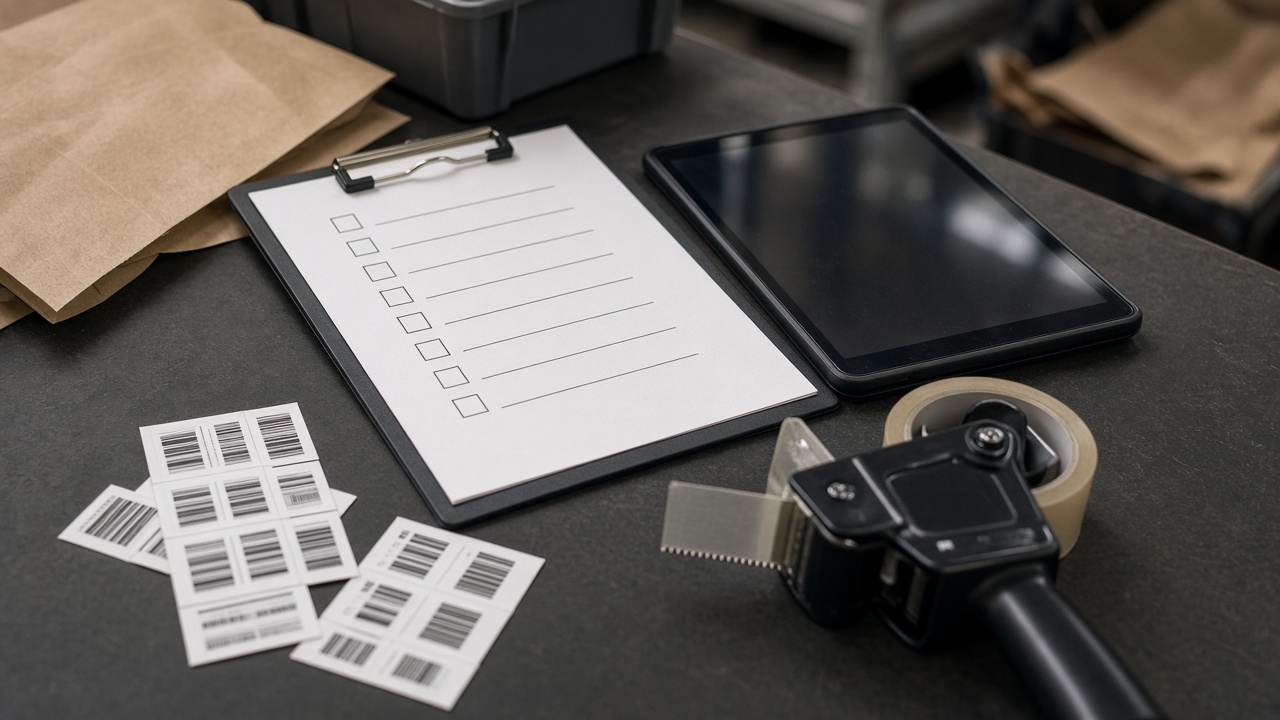
Checklist: what good looks like in the brief
- SKU list with dimensions, weight, hazardous flags and packaging hierarchy.
- Average and peak weekly volumes; launch and promo calendar for 12 months.
- Inbound rules (ASN, QC sampling, quarantine) and outbound cut-offs by channel.
- Value-added services: kitting, labelling, hand-finish, clean area, rework.
- Inventory accuracy target, cycle-count method and loss/damage liability rules.
- IT: ERP/WMS interfaces, reporting cadence, who owns master data.
- Exit and ramp plan: how stock moves in and out if volumes change.
Questions your internal stakeholders should answer first
- Which SKUs are brand-critical and need segregated or clean handling?
- Who approves exceptions when a pick fails five minutes before cut-off?
- What does ‘on time’ mean for each channel (retail DC, marketplace, D2C)?
How Dcode fits
Dcode’s warehouse services are built for brands that need storage plus operational finishing across Care Direct partner sites — not only pallet in / pallet out. Use the warehouse page as the network and service map, then send the checklist above filled with your numbers.
Next step: email a one-page brief to ask@dcode.gr or use the contact page. We will flag missing items before proposing a setup.