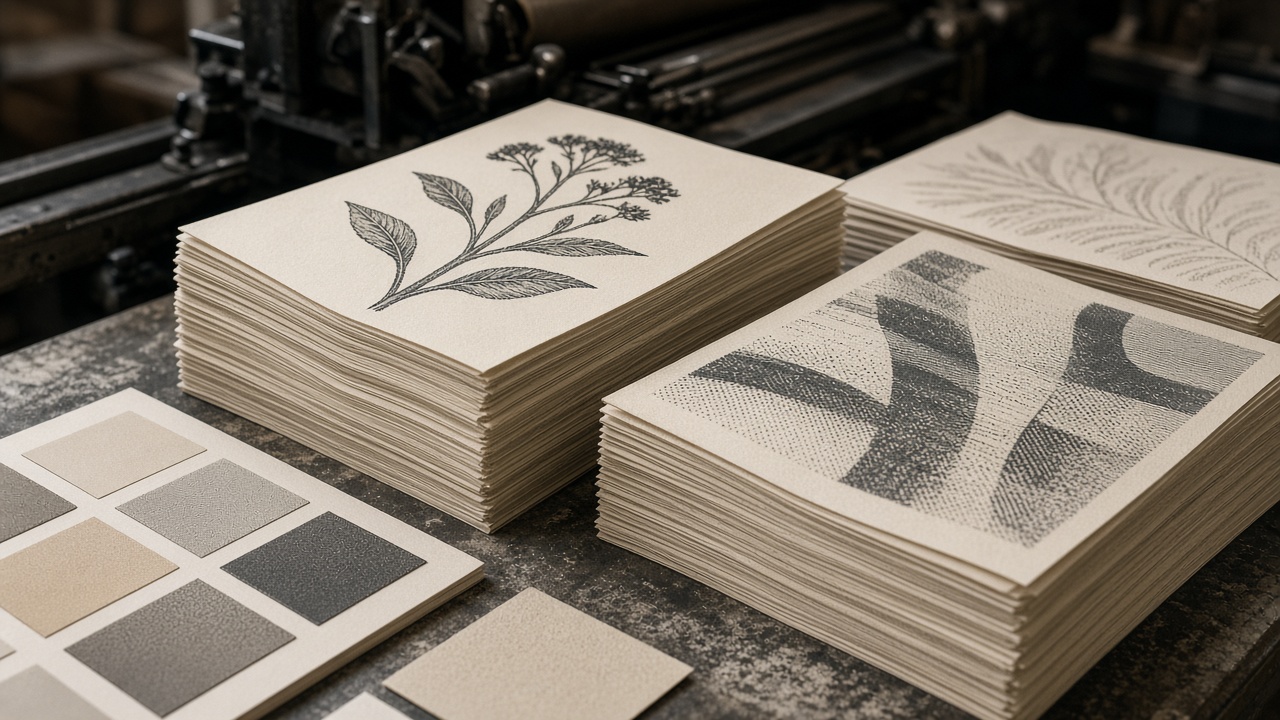
Promotional print still moves product and education in retail and field programmes — but the cost of a wrong version is not only the paper. It is the missed launch window and the warehouse space locked by obsolete stock. European e-commerce growth keeps pressure on hybrid campaigns that mix trial, digital and physical materials, so print briefs need the same discipline as media plans.
Decide what ‘approved artwork’ means, who signs quantities, and how leftovers are stored or destroyed before you press print.
Why promotional print briefs create waste
Most waste comes from late artwork changes, unclear language versions, and no plan for storage or field distribution. Production without a distribution date becomes inventory risk.
What good promotional print production looks like
- Single artwork owner and version naming (market, language, SKU link).
- Print-ready specs: substrate, finish, size tolerances, colour proofs.
- Quantity logic tied to outlets, samples or kits — not a round number guess.
- Delivery plan into warehouse or field with labelling for campaigns.
- Obsolescence rule: who authorises destroy or overprint.
Questions to ask before production
- Which markets and languages share a single plate or need separate runs?
- Where will stock sit between print and first use date?
- What is the latest artwork freeze relative to the campaign start?
How Dcode fits
Dcode’s printing management covers creative coordination, paper printing, production, storage and distribution of promotional material — so print is planned with the warehouse path, not as a separate orphan order.
Next step: review printing management and send artwork status plus campaign dates through contact.