Delivery time is checked by most shoppers — Ipsos reports 85% always check it — yet returns and wrong picks quietly destroy margin. As European e-commerce volumes grow, the stores that scale are the ones that write pick/pack/returns rules before the next peak.
Use this checklist to decide what must be perfect in-house versus what a fulfilment partner can run.
Why pick/pack/returns deserve a written standard
Logistics cost is material: e-chamber research shows many e-shops put logistics and delivery between 5% and 20% of turnover. Errors multiply that cost through reships, refunds and support tickets.
Checklist: what good looks like
- Pick confirmation method (scan, batch, voice) matched to SKU risk.
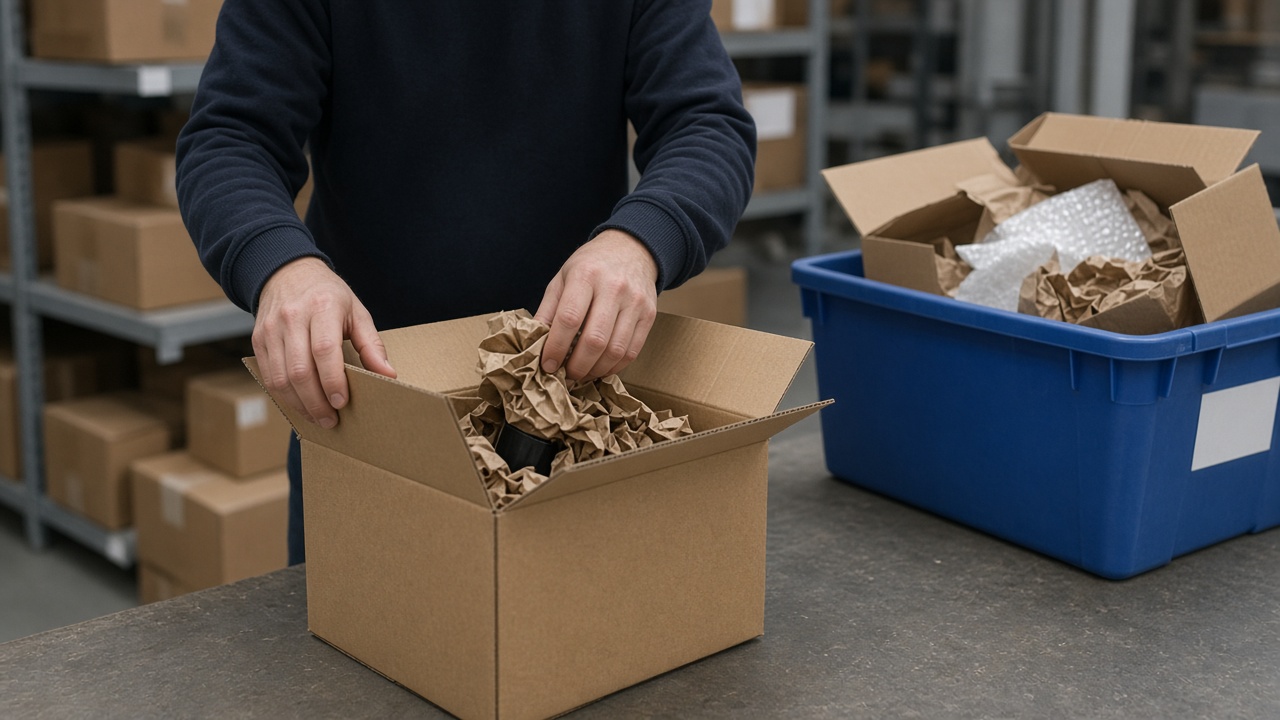
- Pack standards: void fill, brand unboxing, invoice insert, fragile rules.
- Multi-line order logic and split-shipment policy published to support.
- Returns window, RMA requirement, photo evidence and grade codes (A/B/scrap).
- Restock SLA and who updates storefront availability after receipt.
- Weekly quality review: top defect codes, not only ‘orders shipped’.
Questions before you scale volume
- Which SKUs cause the most mis-picks today, and why?
- Do marketplace and D2C packs differ enough to need separate work instructions?
- Who pays for customer-fault versus warehouse-fault returns?
How Dcode fits
Dcode runs pick & pack and returns as part of eshop management through Care Direct partner warehouses — useful when your catalogue and channels need disciplined fulfilment across the markets you sell in.
Next step: send your current defect codes and returns policy with a contact request. We will map them to an operating checklist.